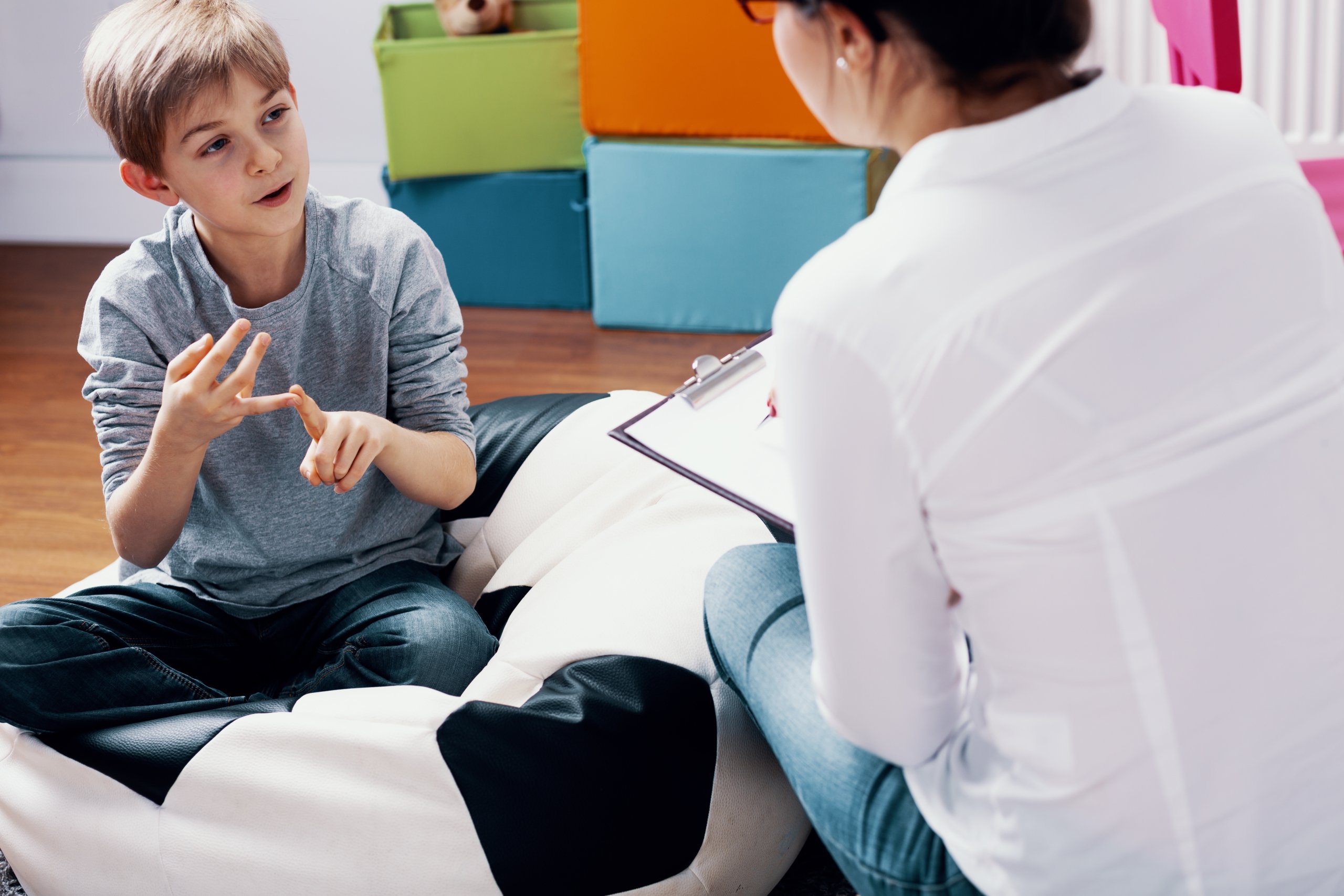
How Positive Behaviour Support Can Help People with Autism
Positive Behaviour Support helps people with autism understand triggers, build new skills, and reduce behaviours of concern. Learn how PBS supports families through the NDIS.
When someone you love is living with autism, it’s natural to want to support them in the best way possible. You may be facing daily challenges, unsure how to respond to behaviours that feel overwhelming or distressing. That’s where Positive Behaviour Support (PBS) can make a meaningful difference — not just for the person with autism, but for you and your entire family.
What is Positive Behaviour Support?
Positive Behaviour Support is an evidence-based approach designed to understand and address behaviours of concern in a respectful and supportive way. Rather than focusing on punishment or control, PBS works to identify why a behaviour is happening and what the person is trying to communicate.
For people with autism spectrum disorder (ASD), certain behaviours may be their way of expressing discomfort, anxiety, confusion, or unmet needs. PBS aims to replace those behaviours with more helpful strategies, while building the person’s skills, confidence, and ability to participate in everyday life.
Key Principles of PBS
PBS isn’t a quick fix. It’s a collaborative, person-centred approach based on values of dignity, respect, and human rights. Some of the guiding principles include:
Understanding the root causes
of behaviours
Prevention and proactive support
Teaching new, functional skills
Working with families, support workers, and the community
Monitoring progress and adjusting strategies as needed
It’s about making small changes that lead to a better quality of life.
How PBS Helps People with Autism
People with autism may experience difficulties with communication, sensory regulation, or social interaction. These challenges can sometimes lead to behaviours that are misunderstood — such as meltdowns, withdrawal, or repetitive actions.
PBS can help by:
Identifying
triggers
that cause distress
Teaching
new communication tools
, such as visual supports or alternative communication devices
Adjusting
routines and environments
to reduce anxiety
Building emotional regulation and
coping skills
Supporting families and carers with practical strategies
By focusing on capacity building, PBS doesn’t just reduce behaviours of concern — it helps people with autism develop the tools they need to thrive.
The Role of the NDIS
If you or your family member are receiving support through the National Disability Insurance Scheme (NDIS), PBS may be included in your plan under Improved Relationships or Capacity Building – Improved Daily Living.
This funding can help you access a qualified PBS practitioner, who will work closely with you to:
Develop a
Behaviour Support Plan
Provide
training for support workers
and carers
Monitor outcomes and review progress regularly
It’s important to choose a PBS practitioner who is experienced in autism and understands how to provide trauma-informed, respectful support tailored to the person’s unique needs.
How CARED Can Help
At CARED, we understand how important it is to find the right support — someone who listens, who understands autism, and who truly cares.
We connect NDIS participants and their families with expert Positive Behaviour Support practitioners who are fully qualified and experienced in working with people on the spectrum. Our practitioners take the time to get to know each person as an individual. They don’t just look at the behaviour — they look at the person behind it.
Whether you're just starting your NDIS journey or looking to make the most of your plan, we’ll help guide you through the process, including:
Finding and matching you with the right PBS practitioner
Supporting your NDIS funding pathway
Providing online or in-person sessions, depending on what works best for you
Working alongside your broader team — support workers, family members, allied health professionals — to ensure everyone is on the same page
We know how hard it can be to ask for help. But you don’t have to do it alone.
Building Skills for Life
PBS isn’t just about “fixing” behaviours — it’s about building a foundation for a more independent, connected life. For a child, this might mean being able to attend school without fear or frustration. For an adult, it could mean learning to travel independently, engage with the community, or gain employment.
By focusing on the person’s strengths, preferences, and goals, PBS can help build self-confidence, resilience, and trust — things that are especially important for people with autism, who may have felt misunderstood or excluded in the past.
Autism is not a problem to be solved. It’s a neurodevelopmental condition that brings with it unique ways of thinking, feeling, and communicating. Positive Behaviour Support is not about changing who someone is — it’s about giving them the support they need to feel safe, understood, and empowered.
If you’re looking for a compassionate, expert team who can walk beside you on this journey, CARED is here to help. We believe everyone deserves the chance to live a life full of possibility — and we’re ready to support you every step of the way.
By Dr Adam Wyatt
Content Writer
Dr. Adam Wyatt is a content writer at CARED and is a subject matter expert of the NDIS space. He holds a doctorate in media and communications and is an advocate for human-centered content that makes a difference in people’s lives.
Start with a referral, not a waitlist
Tell us who you’re supporting, and we’ll begin matching them with the right practitioner, with the reasons in writing.