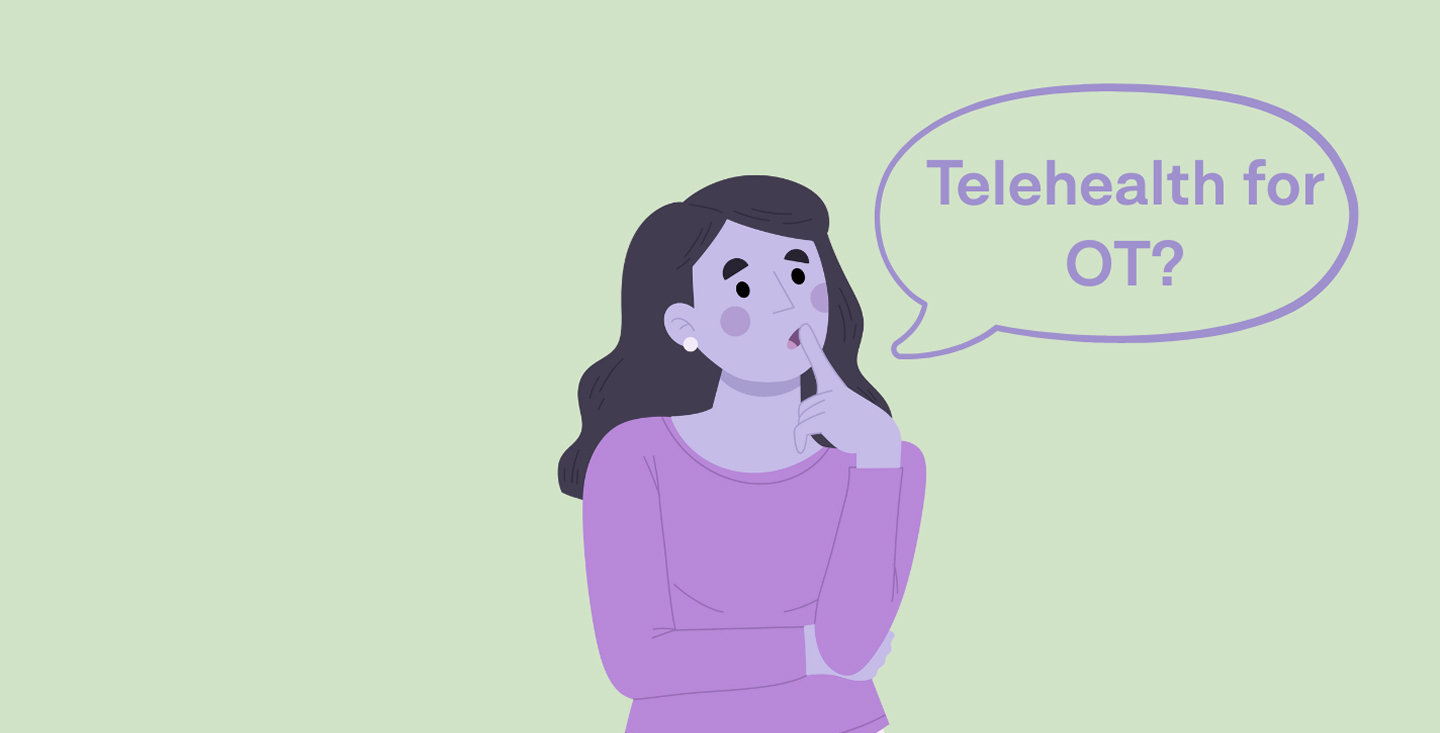
Occupational Therapy via Telehealth: Practical Care That Fits Your World
What telehealth OT actually involves, when in-person is still the better fit, and how to decide which works for you.
If therapy has ever felt like a logistical juggle, you're not imagining it. The travel, the time off school or work, the waitlists, the parking. For a lot of families, those barriers are the main reason therapy gets delayed. Telehealth changes that. Your clinician meets you where life actually happens, at home, at school, at work, so strategies get tested in the exact places you'll use them. It's fully supported under the NDIS, permanent under Medicare, and backed by Australia's Digital Health Blueprint. This isn't a pandemic leftover. It's how allied health is being delivered now.
You don't need to choose one or the other. CARED offers telehealth, hybrid, and in-person models. Your clinician will help you work out which fits, and you can switch as your needs change.
Why traditional therapy doesn't always work
Clinic-based therapy can be great, but it doesn't always fit real life. Around 27% of Australians live outside major cities, where access gaps hit hardest. NDIS travel caps are pushing providers out of regional areas, and waitlists can stretch anywhere from 6 to 24 months. Even in metro areas, families deal with rigid appointment windows, travel costs, and the reality that a 45-minute session can eat up half a day once you factor in the drive.
A national survey of 2,391 NDIS participants, carers, and families found that 63% moved their allied health supports to video or phone during COVID. Nearly a third said they'd choose telehealth going forward, roughly 130,000 participants. The demand didn't disappear when lockdowns ended. Short, rigid appointment slots also leave little time to actually practise strategies, so sessions end up being mostly talk and not enough doing.
"Every hour spent on the road is an hour lost from therapy."
When in-person care is still the right call
Telehealth isn't a replacement for everything. Some needs require hands-on, face-to-face support, and good providers are upfront about that.
In-person sessions are typically essential for complex physical assessments like gait analysis, manual muscle testing, or wheelchair seating. They're also critical for high-risk or safety-critical interventions, particularly for participants with severe mobility issues or complex medical needs where immediate physical assistance may be required. Behaviour support in crisis, where behaviours of concern pose imminent risk, usually requires in-person observation for accurate functional assessment. And for new participants with high anxiety, trauma history, or trust issues, building rapport face-to-face before transitioning to telehealth can make a real difference.
The goal isn't to push everyone online. It's to use the right mode for the right situation, and to pivot when something isn't working.
When in-person care is still the right call
Occupational therapy helps build independence in daily living, sensory regulation, motor skills, and adapting environments. But what does a telehealth session actually involve? Here's what it looks like across six common scenarios.
Functional Capacity Assessment
Do mornings feel like a battle? If your child struggles to dress themselves or follow simple instructions, a functional capacity assessment helps us understand their abilities and support needs. Through video, we watch real routines and suggest practical strategies so mornings feel less stressful.
Sensory Profile and Processing Assessment
Does your child cover their ears during noisy playdates or refuse certain clothes? We'll identify sensory sensitivities and coach you on calming strategies during telehealth sessions, right in your home where the challenges actually happen.
Home Environment Assessment
Worried about safety at home? Maybe your child slips in the bathroom or can't reach the sink. We'll do a guided video walkthrough and recommend simple changes like non-slip mats or adaptive equipment.
Assistive Technology Assessment
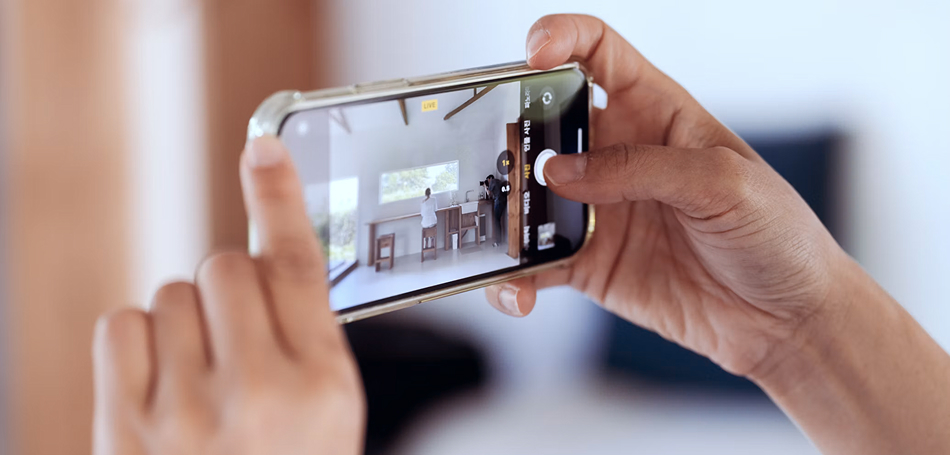
Is mealtime a struggle because your child can't sit comfortably? We'll review your setup via video, suggest supportive seating options, and arrange in-person trials if needed, so your child feels secure and you feel less stressed.
ADL Assessment (Activities of Daily Living)
Does brushing teeth or toileting end in meltdowns? We'll join you virtually during these routines and coach you through strategies that make self-care easier and more positive for everyone.
School and Workplace Assessment
Is your child finding it hard to focus in class? We'll connect with teachers via secure calls to recommend sensory breaks or seating adjustments, helping your child feel included and supported.
All CARED occupational therapists are AHPRA-registered. We only engage appropriately credentialed clinicians for NDIS supports.
Real stories of telehealth OT in action
These aren't hypotheticals. Here's what telehealth occupational therapy looks like when it's actually running.
Independence re-imagined: Ali's story (NSW)
Ali is a 43-year-old woman living with a spinal cord injury in the Illawarra Shoalhaven region. Before virtual care, attending appointments meant long travel days, organising support workers, and sometimes staying overnight just to see a specialist. Since joining her local virtual care program, Ali now meets with her clinicians, including physio, OT, dietetics, and nursing, via video from home.
The shift has cut out hours of travel, reduced stress, and made it far easier for her to stay engaged with regular preventative care. She says she would have missed many appointments without the option of virtual consultations, and that the technology feels accessible and easy to use. Her experience highlights how telehealth can restore independence and maintain continuity of care, especially for people in regional areas managing complex, ongoing health needs.
Confidence in daily routines: Leo's story (NSW)
Leo is a 5-year-old boy living with autism in rural New South Wales. Before telehealth, his parents faced long drives to appointments and struggled to apply clinic-based strategies at home. His OT completed several assessments and interviews with his family, identifying challenges with attention, motor coordination, motor endurance, following instructions, and sensory processing around sound and movement.
Using evidence-based practice, the OT designed interventions targeting these areas, all delivered through telehealth. Sessions focused on real-life routines, with strategies tested in Leo's home environment. To keep him engaged, therapy incorporated his love for Pikachu through themed fine motor activities like painting and pencil grip practice. Leo can now hold a pencil correctly and cut with scissors. His speech is easier to understand, reducing frustration. And he has fewer meltdowns during daily tasks like brushing teeth.
Care made easier: Peter's story (TAS)
Peter is a 27-year-old man living with severe cerebral palsy in Tasmania. His old commode chair had slippery foot straps and poor design, making showering a challenge for both Peter and his mum, who is his primary carer. A senior OT in Brisbane worked closely with Peter's family and a local therapy assistant via video calls, completing a thorough assessment of his physical needs, posture, and bathroom setup. The OT recommended three commode options and supervised trials remotely at a local equipment provider. The team also introduced a long-handled sponge to make personal care easier and safer.
The result: safer transfers, no more slippery straps, and reduced caregiver stress. Peter's mum says showering him is now "a pleasure." His story shows how telehealth can deliver practical solutions for complex equipment needs, even across states, by combining virtual expertise with local support.
"Showering him is now a pleasure."
Peter's mum


Coaching, capacity building, and why environment matters
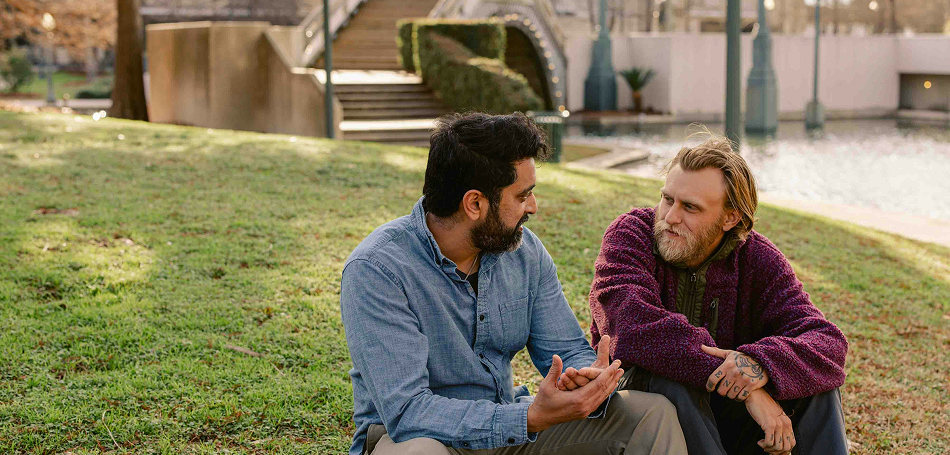
One of the less obvious advantages of telehealth is that it supports family-centred, strengths-based practice by embedding therapy in the places where life actually happens. Instead of clinic-only routines, strategies get coached into everyday activities: playgroups, story time at the local library, mealtime at home, getting dressed in the morning.
When a clinician can see your actual environment, they tailor recommendations to what's already happening rather than designing exercises that only work in a treatment room. Carers, teachers, and support workers can join sessions easily, which builds capacity across the participant's whole support network. Research consistently shows that carry-over between sessions is stronger when strategies are practised where they'll actually be used.
A quick self-check before choosing telehealth
Before you start, it helps to run through a few practical questions.
Technology and environment. Do you have a reliable device, internet connection, and a private space for sessions? Is there a backup plan if tech fails, like a phone call or reschedule?
Clinical suitability. Are the participant's needs safe and effective to address via telehealth? (Your clinician will help you assess this.)
Goals and outcomes. Are therapy goals achievable through telehealth and everyday routines?
Consent and comfort. Has the participant or family provided informed consent? Is everyone comfortable using video or phone and ready to give it a go?
Support availability. Is a carer or support person available if needed for positioning, tech setup, or implementing strategies?
Privacy and confidentiality. Is the space private enough to maintain confidentiality and meet NDIS and AHPRA standards?
Flexibility. Would a hybrid model, combining telehealth with community or in-person visits, better meet your needs?
If any answer is "not yet," that's fine. We'll help you solve it, or recommend an in-person pathway. Safety and outcomes come first.
How to start with CARED
Getting started is straightforward. Enquire or refer through our website or by phone. Share your goals, whether that's communication, mealtimes, routines, equipment, or something else. Provide your plan or referral details. We'll match you with an AHPRA-registered clinician based on your needs, and walk you through a plain-English service agreement with transparent fees and scheduling. From referral to first session, we aim for under a week.
If you're not sure whether telehealth is the right fit, that's what the first conversation is for. No pressure, no commitment.
Ready to start, or just have questions? Call 1300 367 117, email hello@cared.io, or submit a referral online. You can also book a free call to talk through suitability, tech needs, and your goals. No GP referral needed.
- Thomas, E., Lee, C. M. Y., Norman, R., Wells, L., Shaw, T., Nesbitt, J., Frean, I., Baxby, L., Bennett, S., & Robinson, S. (2023). Patient Use, Experience, and Satisfaction With Telehealth in an Australian Population (Reimagining Health Care): Web-Based Survey Study. Journal of Medical Internet Research, 25, e45016. Article e45016. https://doi.org/10.2196/45016
- Health, N. (2024, January 29). Case study: Ali’s story. NSW Government. https://www.nsw.gov.au/health/virtual-care-hub/making-a-difference/alis-story

By Alex Hart
Service Navigation & Support
Start with a referral, not a waitlist
Tell us who you’re supporting, and we’ll begin matching them with the right practitioner, with the reasons in writing.