SDA Assessments by Occupational Therapists: What's Involved and How to Prepare
What an SDA assessment covers, who it's for, and how to prepare so your report gives the NDIS what it needs.
Applying for Specialist Disability Accommodation under the NDIS is one of the more complex parts of the scheme, and the evidence behind your application matters. SDA funding is designed for people with extreme functional impairment or very high support needs who require a specially designed home to live safely and as independently as possible. One of the most important documents in that process is the SDA Assessment Report, written by an experienced occupational therapist. This guide walks through what that assessment involves, who it's for, and how to get prepared.
SDA is housing. SIL is support. The two are separate NDIS funding streams, and you can receive one without the other. Many participants who are eligible for SDA may also need SIL. Your OT can help clarify what's appropriate and may complete reports for both if needed.
What is an SDA assessment?
An SDA assessment is a functional and environmental assessment completed by a qualified occupational therapist. Its purpose is to determine whether someone is eligible for SDA funding, and if so, what type and design of housing they need.
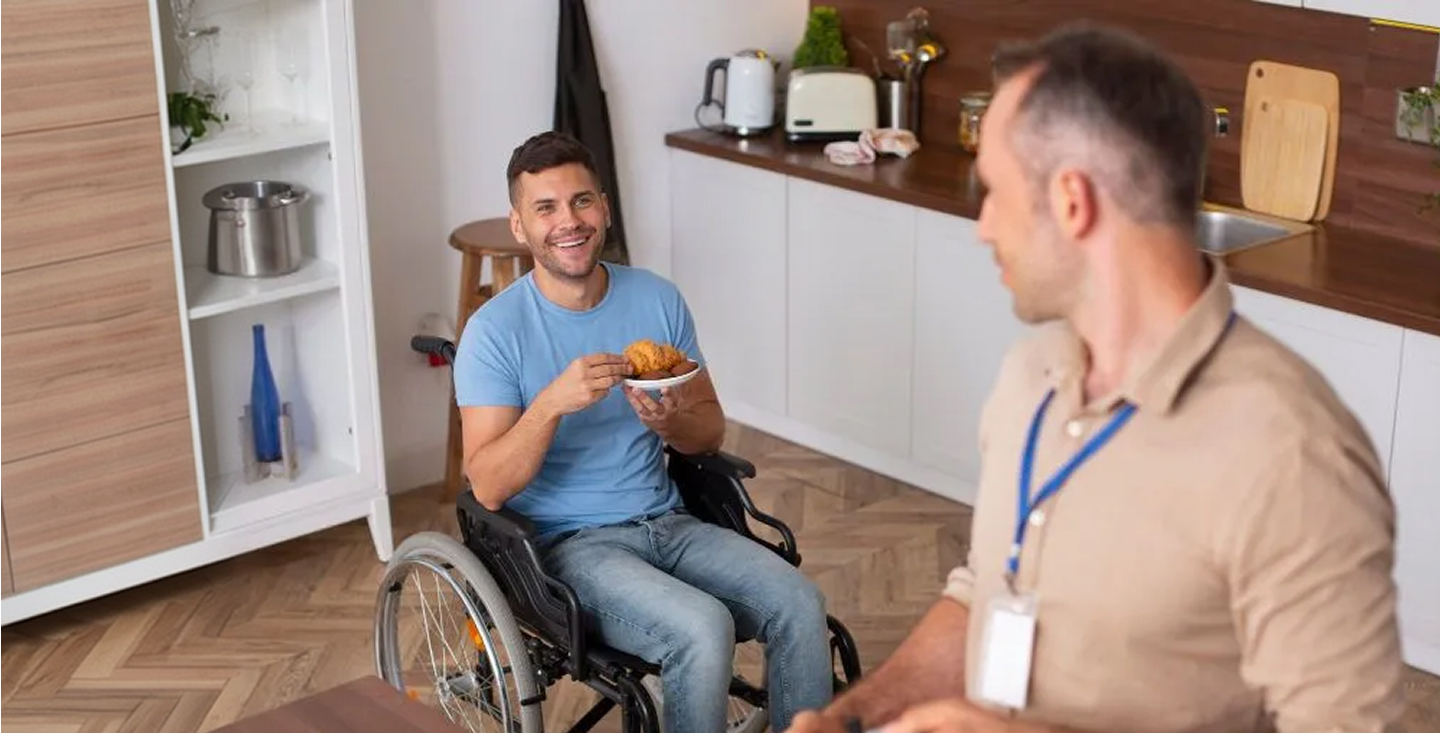
Unlike other NDIS reports, an SDA assessment doesn't focus only on support needs. It looks at how a person's current living environment impacts their ability to live safely, with dignity, and in line with their goals. The OT assesses things like the accessibility of the current home (stairs, narrow doorways, inaccessible bathrooms), risks to safety (falls, behaviours of concern, absconding), the level of support required for daily living, the suitability of alternative housing models, and how SDA would help the person pursue their goals and reduce reliance on formal supports.
Who is SDA for?
SDA is only available to a small percentage of NDIS participants, roughly 6%. To be eligible, a person must meet one of two key criteria: extreme functional impairment, or very high support needs. The OT's report is essential in demonstrating whether you meet either or both of these. Without strong clinical justification from an allied health professional, SDA funding is unlikely to be approved, even if the need seems obvious from the outside.
"Without strong clinical justification from an allied health professional, SDA funding is unlikely to be approved, even if the need seems obvious."
What the OT includes in the report
A high-quality SDA report covers several areas. It includes a detailed history of the participant's disability and functional impairments, an assessment of their current housing (what's working, what's not, and why it can't be reasonably modified), and a breakdown of risks and barriers such as lack of physical access, carer injury, self-harm, or social isolation.
The report also includes a comparison of housing options, explaining why standard rental, group homes, or supported independent living without SDA are not suitable. The OT recommends an SDA design category (Improved Liveability, Fully Accessible, Robust, or High Physical Support), suggests a built type and dwelling type (apartment vs house, shared vs single occupancy), and explains how SDA supports the participant's NDIS goals by promoting independence, reducing paid supports, and improving quality of life.
This report is submitted alongside a Housing Evidence Form, completed by a support coordinator or housing provider, as part of the NDIS SDA application.
![[NEEDS CONTENT: alt text]](https://a.storyblok.com/f/294352976162949/950x455/cb63b0a260/accessible-kitchen-daily-living.jpg)
How to prepare for an SDA assessment
Preparing well makes the process smoother and helps the OT write the strongest possible report. Start by thinking about your housing goal. What do you want your ideal living situation to look like? Describe your daily challenges honestly, even the uncomfortable ones, because the report needs to reflect reality. Provide examples of what has or hasn't worked in previous homes.
Gather supporting documents ahead of time: behaviour support plans, incident reports, specialist letters, or anything that paints a fuller picture. And involve the people around you. Carers, family members, and housing providers can offer context that strengthens the assessment.
What happens after the report is submitted
Once your SDA report and Housing Evidence Form are submitted, the NDIS reviews the application as part of your plan. Timeframes vary, but having a thorough, well-evidenced report from your OT gives the application the best chance of being approved without going back and forth for additional information. Your support coordinator can help track progress and follow up if needed.
By Dr Adam Wyatt
Content Writer
Dr. Adam Wyatt is a content writer at CARED and is a subject matter expert of the NDIS space. He holds a doctorate in media and communications and is an advocate for human-centered content that makes a difference in people’s lives.
Start with a referral, not a waitlist
Tell us who you’re supporting, and we’ll begin matching them with the right practitioner, with the reasons in writing.